Environmental responsibility, social responsibility, and industrial performance are communicated here as parts of the same system, from how trees are grown to how workers are treated.
Sustainability does not begin and end with the material. Kapok already has remarkable natural environmental characteristics. The Flocus ecosystem seeks to go further by addressing how trees are grown, how farmers and communities participate, how harvesting can become safe, how fibre is selected and processed, how workers are treated, how quality is controlled, how technology enables industrial adoption, and how value can remain within the producing country.
Environmental responsibility, social responsibility, and industrial performance are therefore communicated here as parts of the same system, rather than as separate marketing claims.
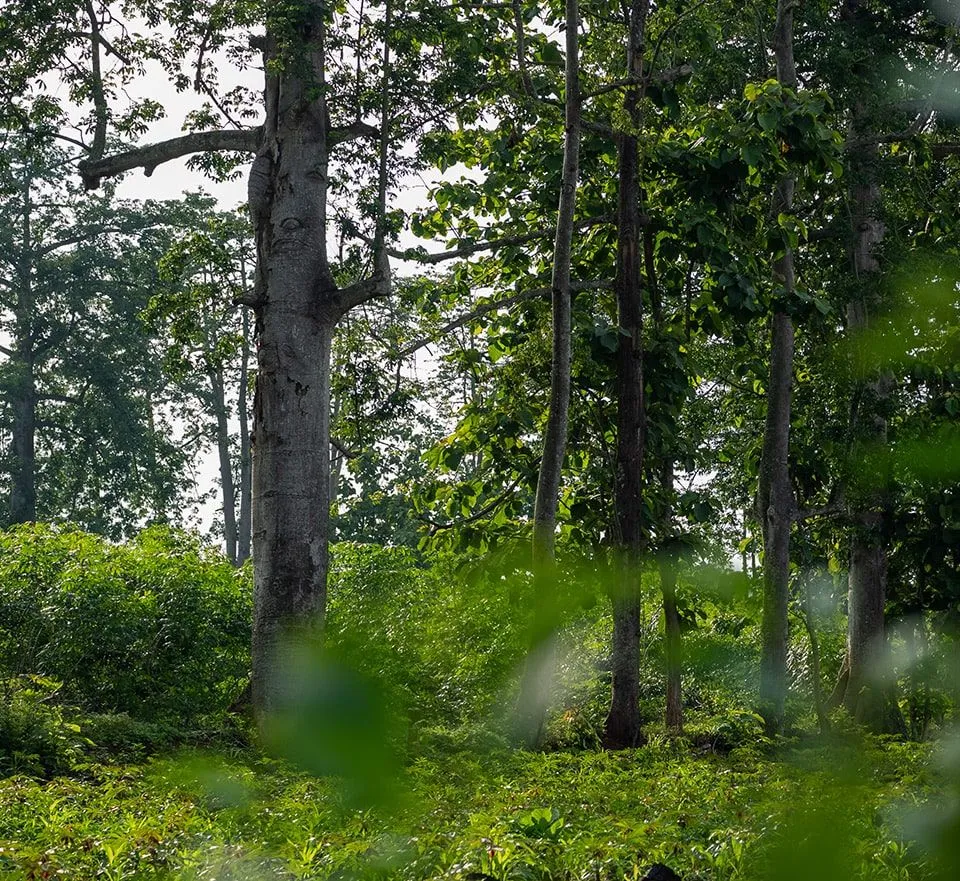
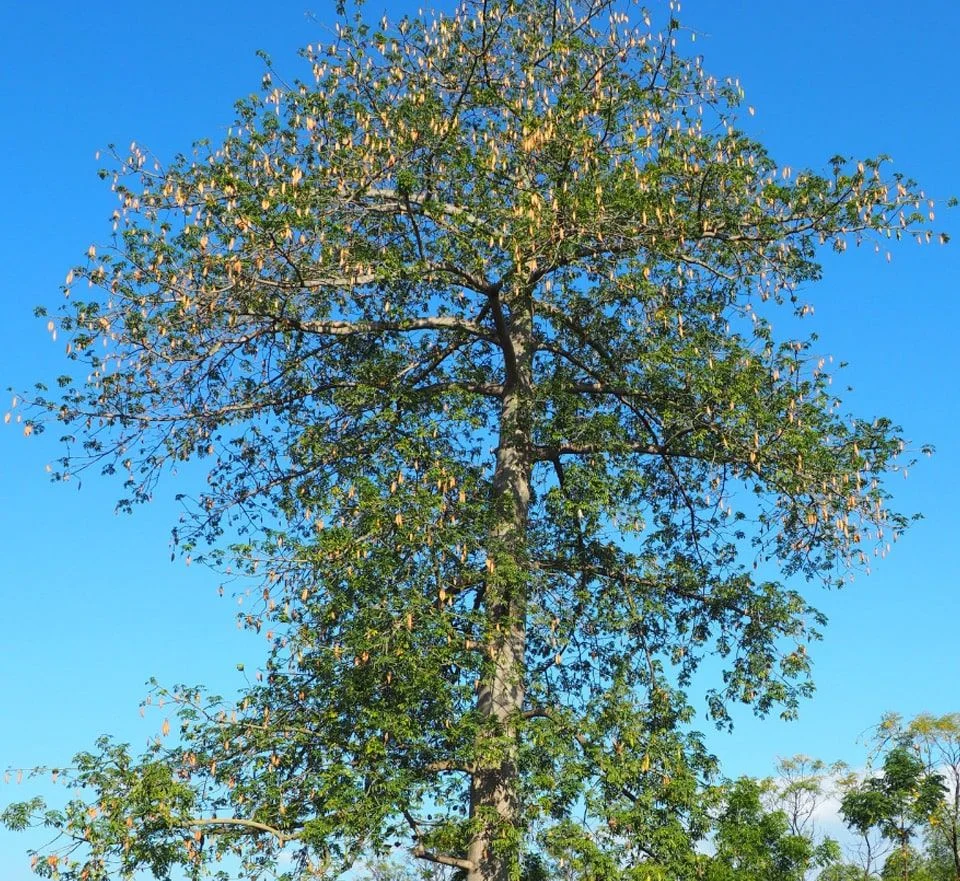
Kapok trees grow within agricultural systems that require no irrigation, no pesticides, and no fertilizers. Kapok is a tree-grown fibre rather than an annually cultivated field crop, and trees can remain productive for many decades.
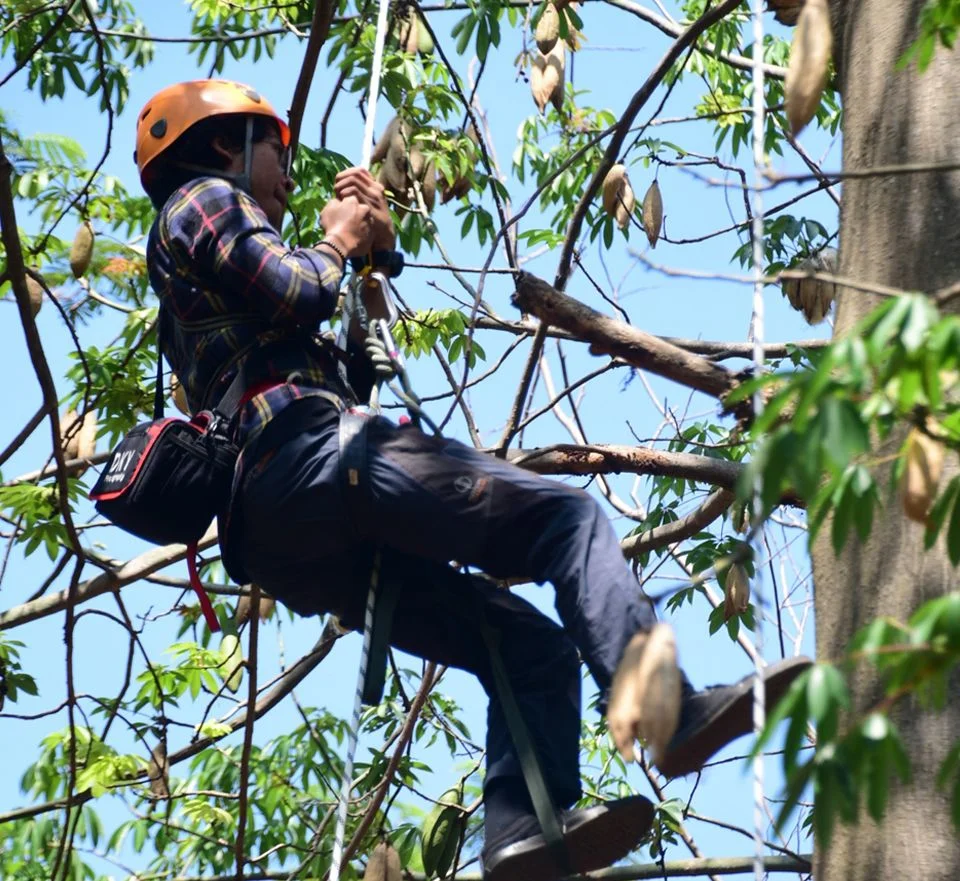
Flocus financially supports KRAF, the Kapok Regenerative Agroforestry Foundation, a non-profit organization working to strengthen the agricultural and community foundations of the kapok supply chain. KRAF’s work includes kapok nurseries, tree planting, farmer engagement, agroforestry, and the development of safer harvesting practices, including training and appropriate safety equipment.
At Flocus we belive that a naturally sustainable fibre cannot represent a truly responsible supply chain if the people who harvest, process, and work with it are not treated fairly. At Randu World Hub’s facility in Indonesia, this principle is reflected in independent social compliance auditing covering labor practices, wages and hours, health and safety, and environmental management.
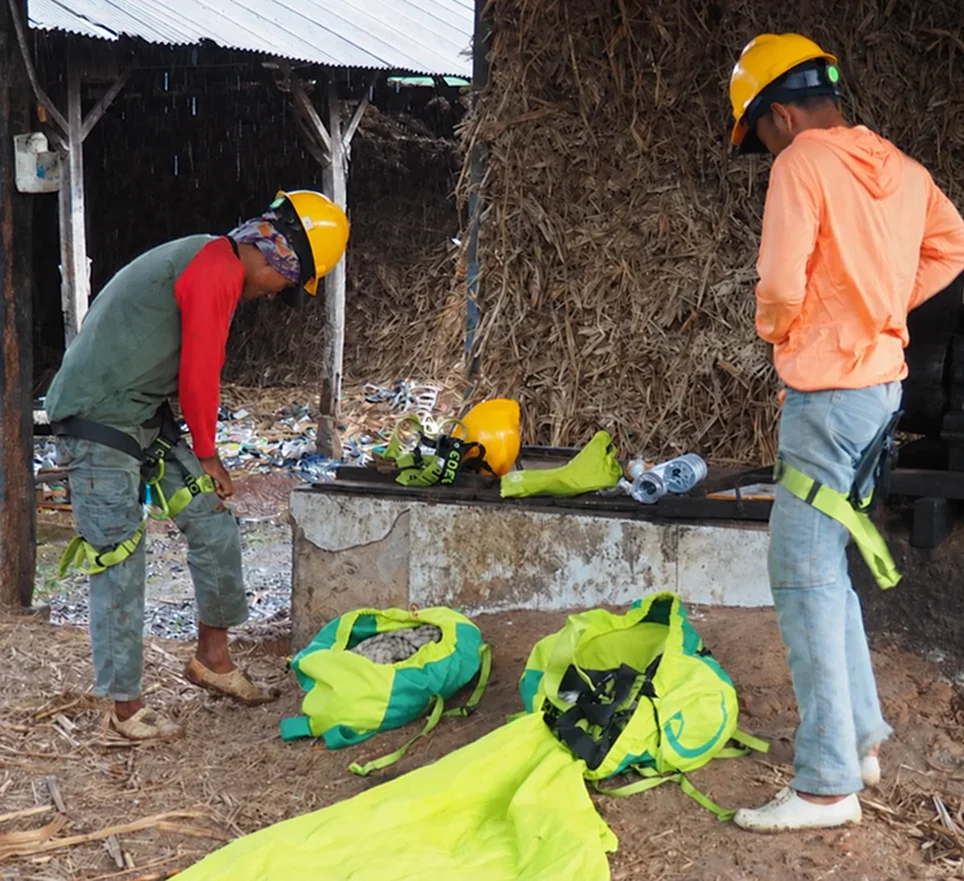
Randu World Hub’s Indonesian raw material is industrially processed in Indonesia by an Indonesian workforce. The Flocus ecosystem is built on the principle that value creation from kapok should not occur only after the raw fibre leaves the producing country.
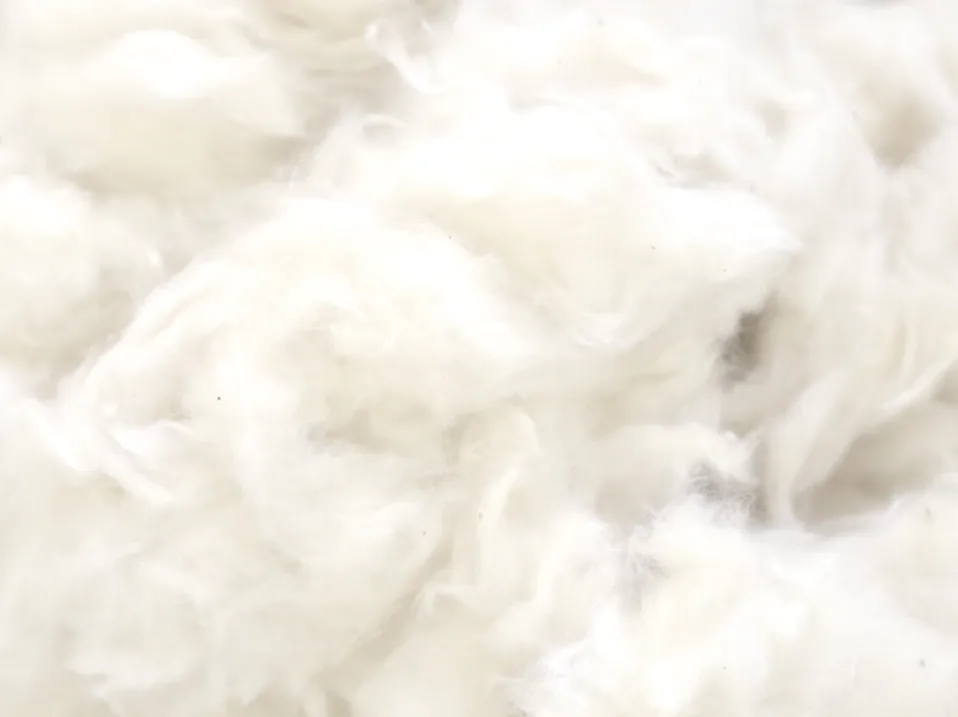
For Flocus, sustainability includes how trees are grown, how farmers and communities participate, how workers are treated, and how technology enables industrial adoption — not only the natural characteristics of the material itself.
KRAF is a non-profit foundation supported by Flocus, working on tree planting, farmer engagement, agroforestry, and safe harvesting practices.
No. Kapok trees grow within agricultural systems that require no irrigation, no pesticides, and no fertilizers.
Randu World Hub's facility in Indonesia undergoes independent social compliance auditing covering labor practices, wages and hours, health and safety, and environmental management.
Kapok fibre is processed in Indonesia by an Indonesian workforce, at Randu World Hub's facility.
Want to understand how Flocus, RWH, and KRAF work together?
Semarang Indonesia Tel +628112964299
Enschede Tel +31532340008
Shaoxing Keqiao Flocus I/E Co. Ltd No. 399 Qiantao Rd, Rm 402 Xinfeng business building, Keqiao Shaoxing, 312000 Tel: +86 575 84560697
Forli (FC) Tel: +39 05438 06415
Copyright 2026 www.flocus.pro. All Rights Reserved Powered by Resolusiweb.com.